What to check before booking Barcelona luxury tours
Barcelona rewards travellers who plan with care. The city is compact enough to cover a lot in a day, yet layered enough that a poorly matched itinerary can feel rushed or repetitive. Luxury travel here is less about adding every premium extra and more about choosing the right mix of access, comfort, pacing and local context. Before committing to a plan, look closely at what is actually included and how the day is structured.
Start with the shape of the itinerary. A strong plan should make clear how much time is spent travelling between stops, how long each visit lasts and whether there is room to pause. Barcelona traffic, busy streets and popular attractions can affect the rhythm of a day. If the schedule lists many landmarks with little breathing space, the experience may feel like a race. A more considered route groups nearby areas together and leaves time for a coffee, a short walk or a quiet look at a building that catches your eye.
What the route actually covers
Check the places named in the itinerary, not just the broad theme. One plan may promise architecture and include a quick pass through several districts, while another may focus on a smaller area with deeper detail. Neither is automatically better. The right choice depends on whether this is a first visit, a return trip, a family outing or a celebration.
Pay attention to the balance between well known sights and quieter corners. Barcelona is often associated with Gaudí, but the city also has medieval streets, galleries, markets, coastal views and neighbourhood food culture. A premium plan that only visits the most famous landmarks may still feel crowded and generic. A plan that mixes signature sites with lesser known spaces often gives a clearer sense of the city.
If a name such as Private Tour in Barcelona appears while comparing plans, treat it as one reference point among others and return to the practical details. What matters is the day itself: where it begins, how the stops connect, what is pre arranged and what remains flexible.
Access, timing and entry details
Luxury travel often depends on smooth transitions. Before booking, check whether entry tickets, reservations or timed admissions are part of the plan. For popular cultural sites, the difference between walking past a queue and having a confirmed slot can change the whole morning. The same applies to restaurants, wine sessions and special viewings, where a reserved place is usually more reliable than a vague promise.
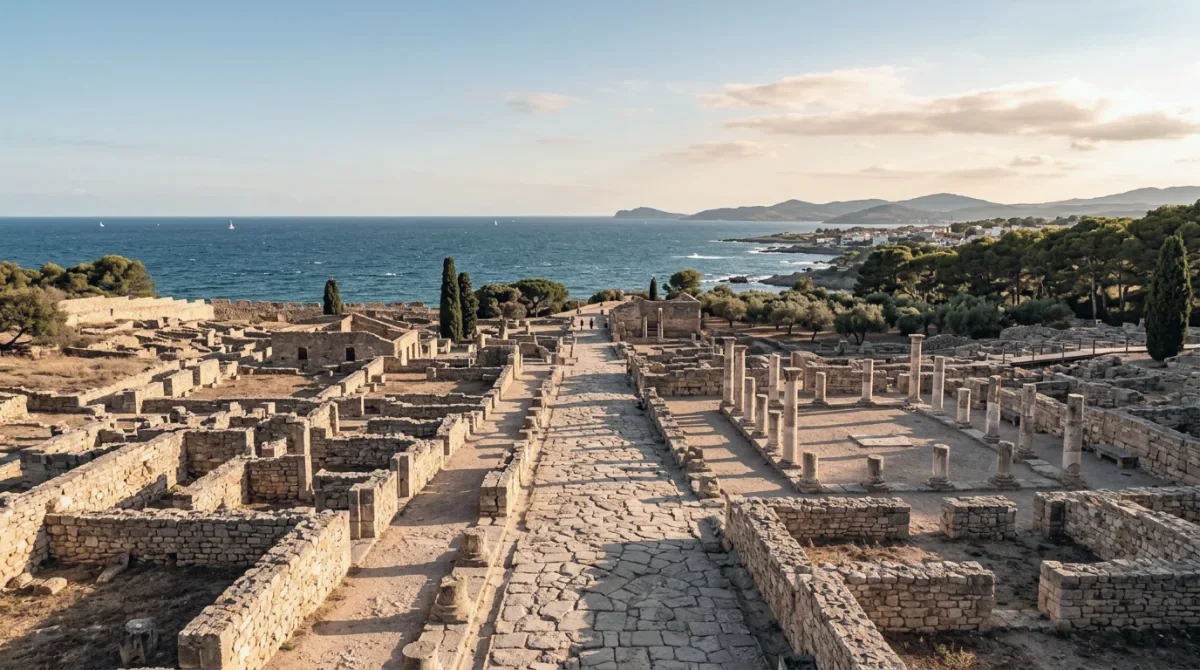
Ask how the schedule works on days when museums close early, restaurants shift service times or city events change traffic patterns. A clear plan should account for these normal variations. If every stop is described in fixed language with no mention of timing limits, there may be little room to adjust.
Also check the meeting point and finish point. A central start may sound convenient, but it can be awkward if your accommodation is elsewhere or if you are continuing to dinner. A finish near a metro station, hotel area or waterfront can make the rest of the day easier. Small logistics like this rarely appear in glossy descriptions, yet they shape how relaxed the experience feels.
Level of exclusivity
The word luxury is used loosely in travel. It can mean a smaller group, a private vehicle, better restaurant seats, specialist knowledge or simply a higher level of organisation. Clarify which of these applies. A small group can still feel busy if the route attracts crowds at the same times as everyone else. A private format can feel spacious, but only if the itinerary is designed with enough time and variety.
Where exclusive museum tours are part of the appeal, check what access really means. Does the visit include a reserved entry time, a focused theme, or a guided interpretation of selected works? These are different experiences. A focused visit can be far more memorable than a broad tour that tries to cover an entire collection in a short window.
For Michelin-starred dining, look beyond the name of the restaurant. Consider the length of the meal, the style of cuisine, dress expectations and whether the tasting format suits your appetite and schedule. A celebrated meal can be the centre of a day, but it can also crowd out everything else if placed in the middle without enough time around it.
Transport and physical comfort
Comfort is one of the main reasons travellers choose a refined tour. Check how movement between stops is handled. Walking may be part of the charm in the old city, but long distances on hot pavement can wear people down. A plan that combines short walks with pre arranged transport often keeps the day pleasant without feeling overcontrolled.
Where luxury vehicle upgrades are offered, consider the route and group size. A car can be useful for hills, waterfront stops or restaurants away from the centre. It can be less useful inside dense historic streets where traffic and pedestrian areas slow progress. The best arrangement is one that suits the geography of the day rather than simply sounding impressive.
Think about footwear, stairs and standing time too. Some beautiful buildings and viewpoints involve uneven streets, narrow staircases or long periods on your feet. If anyone in the group needs a slower pace, make that clear before the day is fixed. A good plan can usually adapt, but only if the limitation is known early.
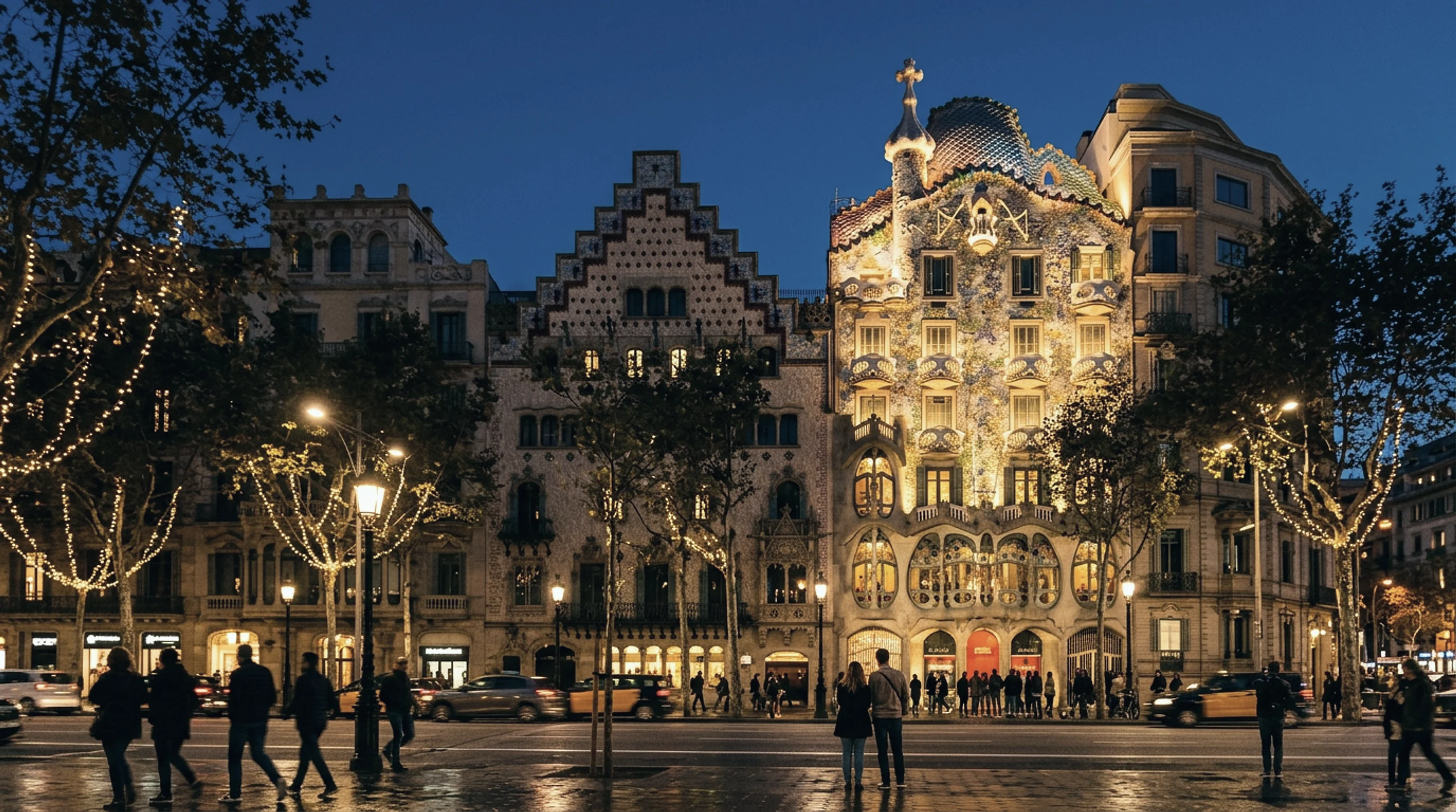
Food, wine and pacing
Gastronomy can lift a city break, but too many tastings in one day can blur together. If private wine tastings are included, check the setting, the length of the session and how it fits with meals. A tasting before lunch may affect the rest of the day. One after a heavy dinner may feel wasted. Balanced pacing matters more than the number of premium stops.
Read menu descriptions with the same care. A food walk with many small bites can be fun, while a formal meal requires a different level of attention. If there are dietary needs, confirm that they can be handled properly rather than assumed. This is especially relevant for allergies, vegetarian diets and religious dietary rules.
The timing of breaks deserves attention as well. Barcelona days often begin later than some visitors expect and meals can run long. A plan that leaves wide gaps may suit someone who wants free time, while a tightly packed plan may suit a short stay. Decide what kind of rhythm you want before comparing the fine print.
The quality of guiding
A knowledgeable guide can make the difference between seeing attractive places and understanding why they matter. Check how the guiding is described. Look for clear subjects, such as architecture, art history, food culture or local neighbourhood life. Broad claims are harder to judge than a defined focus.
Language is another practical point. Confirm which language the tour is delivered in and whether the guide can switch between languages if the group needs it. Mixed language groups can slow the pace and reduce the depth of explanation. If interpretation is central to your interest, this detail is worth resolving before booking.
Group composition also changes the feel of the day. A smaller setting usually allows more questions and easier movement through busy areas. It can also cost more. The trade off is often between personal attention and a livelier social atmosphere. Neither is wrong, but the choice should match the purpose of the trip.
Special experiences and practical limits
Some travellers are drawn to dramatic experiences such as helicopter city tours or yacht harbour cruises. These can offer a memorable view of Barcelona, but they are more sensitive to weather, availability and local operating conditions. Before booking, check what happens if conditions change and whether the rest of the day can still work without that element. A plan built entirely around one outdoor highlight may be fragile.
Bespoke shopping experiences can also fit well, especially for design, fashion or local crafts. Check whether the visit is framed around specific shops, a particular style or a neighbourhood. A vague shopping stop can become a rushed retail break. A focused approach is more useful when the aim is to find distinctive pieces rather than simply fill time.
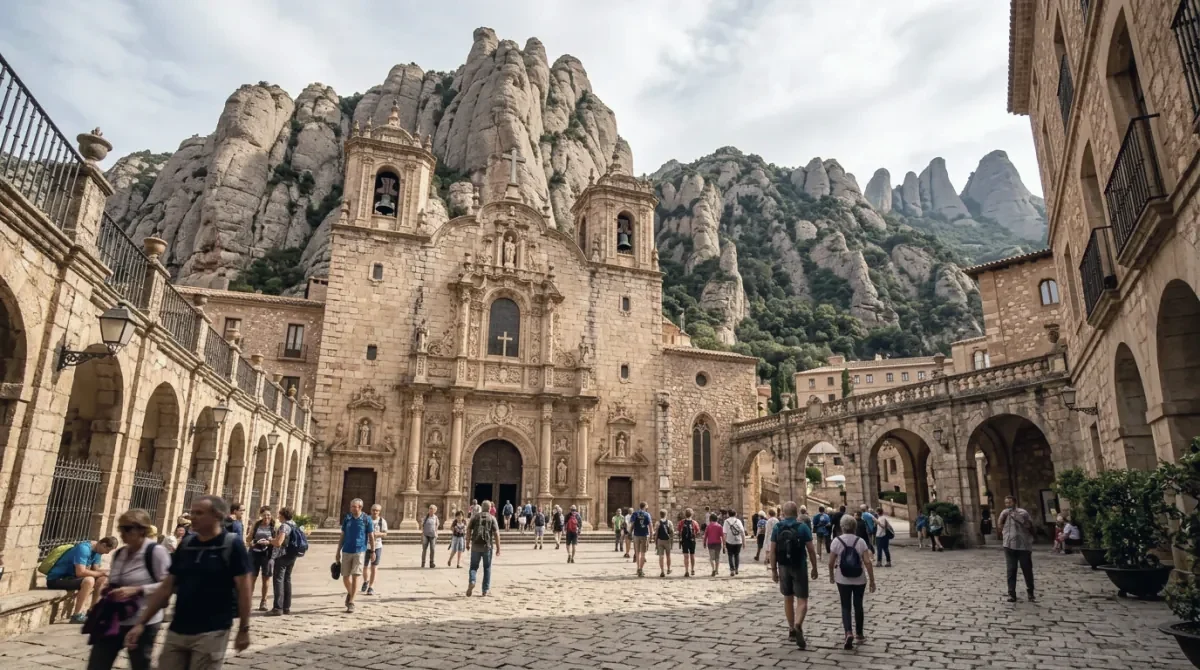
Penthouse apartment visits may appear in premium itineraries, often paired with views or a private meal. Treat these as a distinct type of stop and check how they fit with the rest of the day. A beautiful interior is more enjoyable when it is not squeezed between two crowded attractions.
What to confirm before paying
Before committing, review the written details as a whole. A refined experience should be clear about the route, timing, inclusions, meeting arrangements, group size and the level of personal attention. If several key points are vague, ask for clarification. Clear answers at this stage often predict a smoother day later.
It also helps to compare plans on the same terms. Put the itineraries side by side and mark which one offers the visits you care about most. Notice whether one includes long transfers, repeated districts or too many meal stops. Barcelona luxury tours work best when the premium elements support the city rather than distract from it.
Finally, choose a pace that leaves room for the unexpected. Some of the best moments in Barcelona come from a side street, a courtyard, a view from a bridge or a quiet table after a busy morning. A carefully built day should create space for those moments, not erase them. The right plan feels organised without making the city feel packaged, and it gives every stop a reason to be there.